
On this page3 sections
Consider a hypothetical week of repeated overnight interruptions. A manager tells the responder to take recovery time, but every delivery deadline remains. The person is left deciding which promise to break. For rest to become possible, the coming shifts or the delivery plan have to change with it.
Make the next shifts workable first, then reduce the demand that keeps creating the conflict. Look at broken nights, unfinished daytime work, and people quietly helping outside their shifts. The subject here is workload and planning, not a medical assessment of burnout.
Page timing and follow-through explain the burden
Page counts tell you that demand arrived. Their timing and follow-through tell you what carrying it required. Which notifications needed action? How long did the work continue? Did one incident wake somebody repeatedly? The same total can describe a manageable afternoon or a night that never really returned to sleep.
In a hypothetical comparison, one engineer handles four short pages during a staffed afternoon. Another receives four spaced across the night, with investigation between them. “Four each” loses the difference that matters to the following day’s plan. Keep timestamps and the work between notifications so the count can still describe what happened.
Include backup work and informal specialist calls. The person repeatedly consulted off-shift may be missing from the rotation statistics while supplying much of its support. Private feedback about recovery and escalation helps reveal the gap between the rota as drawn and the work as carried.
A temporary surge and sustained overload need different longer-term responses. Both can require immediate relief, but the intervention should follow the source and persistence of the work rather than a universal page-count threshold. Identify which commitment the current demand makes difficult to carry.
Relief changes the coming shifts and deadlines
Arrange coverage when a responder needs relief and revise the following day’s commitments after substantial overnight work. Make this an ordinary management process. Somebody who has just spent the night restoring a service should not also have to negotiate every reason they cannot deliver the original daytime plan.
Repairing the service or training more responders takes time. For that week, the relief decision needs to say who covers the coming shifts and which delivery work moves, so recovery does not become work the engineer must catch up on later. Deferring work, changing coverage or funding relief changes the conflict the manager identified. If the demand continues, revisit the temporary staffing or service scope rather than relying on encouragement without a revised plan.
Alert cleanup can remove avoidable interruptions while larger repairs proceed. Put nonurgent work in an appropriately staffed daytime queue and repair broken alerts. Before silencing a difficult signal, establish how consequential failures will remain covered and who owns the change. A quieter phone only helps if important service failures still get a response.

Read diagram description
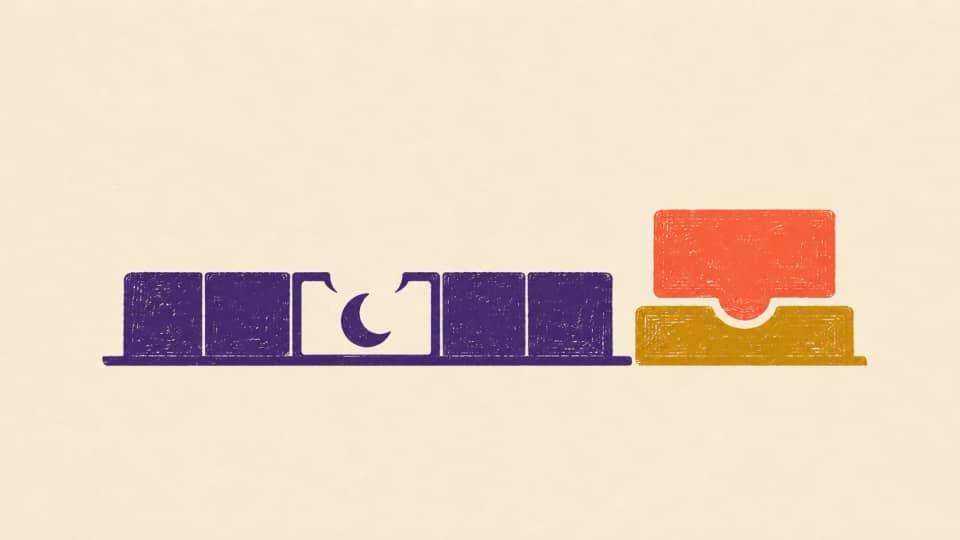
Two workstreams for sustained on-call overload, not a clinical model. Immediate relief makes the next shift manageable; reducing recurring demand prevents the same workload from returning. Diagram labels: Current overload: Interruptions and displaced work are visible; Immediate relief: Backup, recovery time and deferred commitments; Demand reduction: Fix noisy pages and recurring failures; Workload review: Check whether total demand actually fell.
Make the immediate arrangement specific enough to use. “Take some recovery time” leaves the responder deciding which promise to break. “The backup has the morning, and your review moves to tomorrow” tells the engineer how the plan has changed. The exact arrangement depends on coverage; the useful part is that someone resolves the competing commitments.
Different sources of overload need different repairs
Choose the durable repair for the demand that keeps returning. Repeated failures in one service need engineering attention. Specialist dependence needs supported training and appropriate access. Coverage that cannot survive a planned absence needs more qualified capacity or less scope. Identical page totals can hide all three.
Time away can provide necessary relief while leaving the returning workload untouched. After the repair, check interrupted nights, repeat incidents, and off-duty contacts together. If pages fall because requests now arrive in private messages, the burden has changed channels rather than clearly become smaller.
Responders also need a way to raise a concern before they feel required to prove a crisis. Clear escalation, staffing and recovery commitments make early discussion actionable. The guides to work-life balance and on-call load connect those arrangements to the broader capacity plan.
In this week’s plan, deferred work makes recovery possible now. Repairing the recurring failure protects later shifts. Follow both the interruptions and the specialist messages to learn whether less work comes back. Relief and repair are different jobs; the responder needs the organization to do both.
Source context
This article does not include external reference links. Read it as the author’s perspective and evaluate the guidance against your environment.
Report an error or outdated detail