ExplainerAI in production
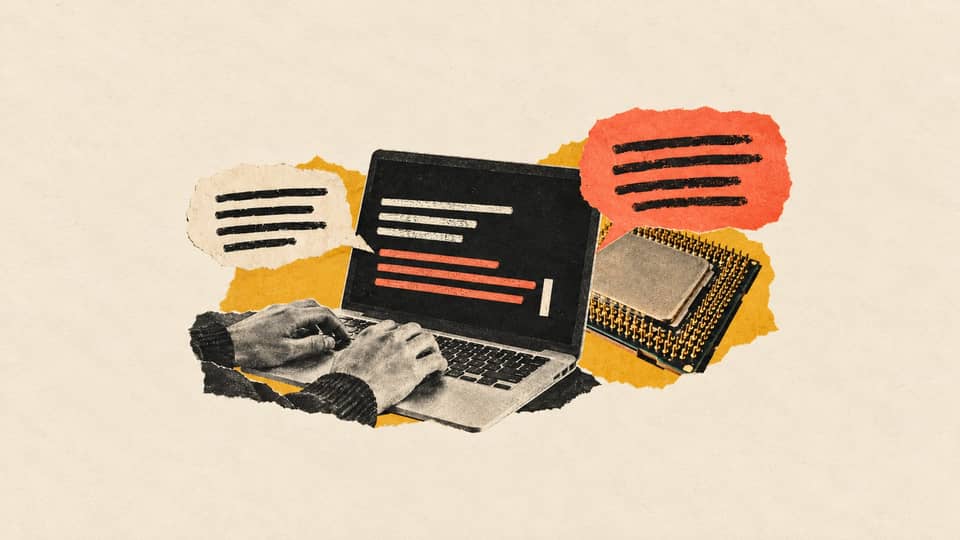
Microsoft UserRepGen makes inputs for a simulated user
UserRepGen turns a conversation into task and behavior descriptions. Follow the intermediate artifact through a synthetic support-assistant evaluation.
Guides, news and explanations about AI and reliable systems.
UserRepGen turns a conversation into task and behavior descriptions. Follow the intermediate artifact through a synthetic support-assistant evaluation.
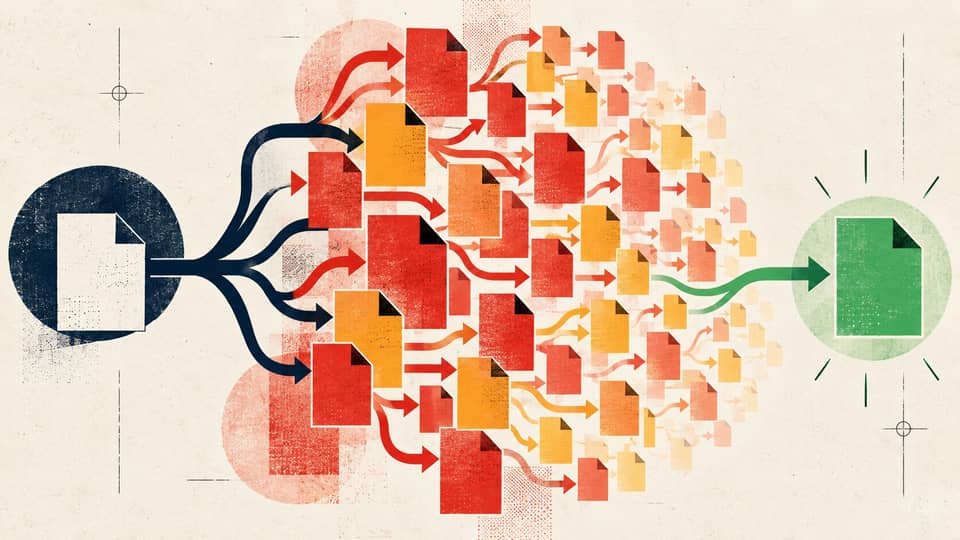
PulsarLM removes low-attention pages rather than summarizing them. A synthetic archive-retention case explains what a local agent’s recall trial must inspect.
Build a local, synthetic citation check that exposes wrong-version evidence while keeping interpretation, source freshness and action permission separate.
Understand Hermes Agent, its origins, models, memory and skills. Choose a setup, try two checkable examples, and learn where its limits matter.
Understand the model marketplace and gateway, compare chat and API workflows, and choose a useful route through its models, providers, costs and privacy controls.
What a model does when you ask a question, how we got here, and how to choose between local and hosted inference without confusing fast text with useful work.
The global auto mode is only part of the permission decision. Follow per-tool overrides, directory scope and restored settings through a copied-runbook exercise.
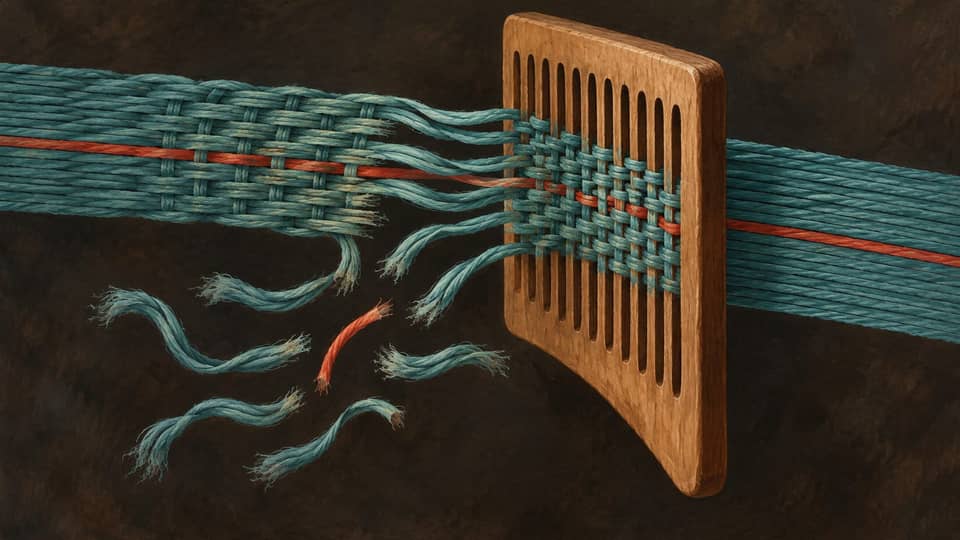
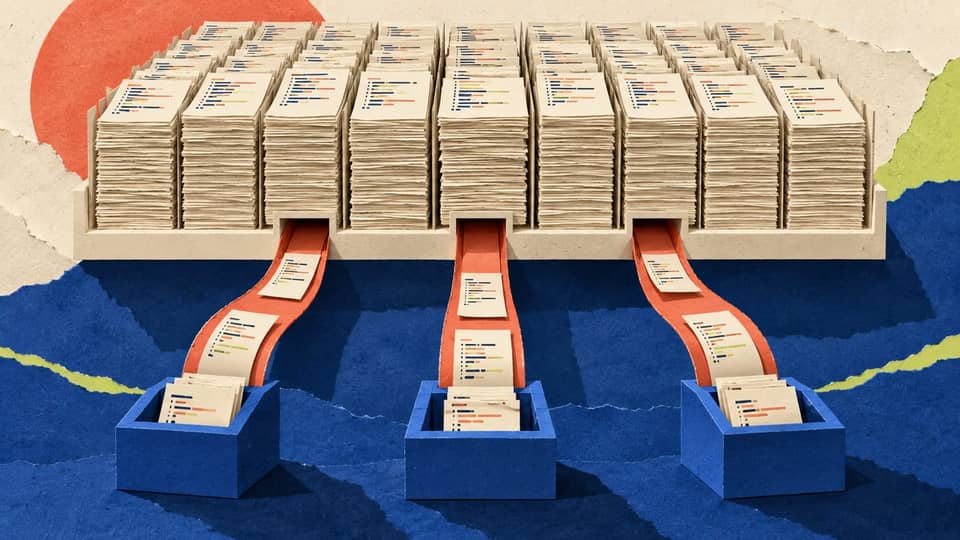
Scion reduces repeated repository work for online agents. Its cache hierarchy explains why warm checkout speed and fleet recovery need different tests.
Run an AI agent with useful access to files and services, then test exactly where OpenShell stops it. A hands-on guide to sandboxes, policy, credentials, and SRE workflows.
Helion places CPU agent loops, token routing, GPU inference and supporting services in separate capacity zones that still share one task outcome.
Test selective recall, corrected state, tool-failure recovery, clarification, and the independent destination result before trusting a long-running agent.
Connect logical tasks to every model and tool attempt, then measure cost and latency per accepted outcome without hiding failed or unknown work.