How-To
Mean time to detect: calculate MTTD and expose measurement gaps
Use consistent onset and discovery timestamps, include customer-reported incidents, and interpret the average with its sample and uncertainty.
Search titles and article text.
Use consistent onset and discovery timestamps, include customer-reported incidents, and interpret the average with its sample and uncertainty.
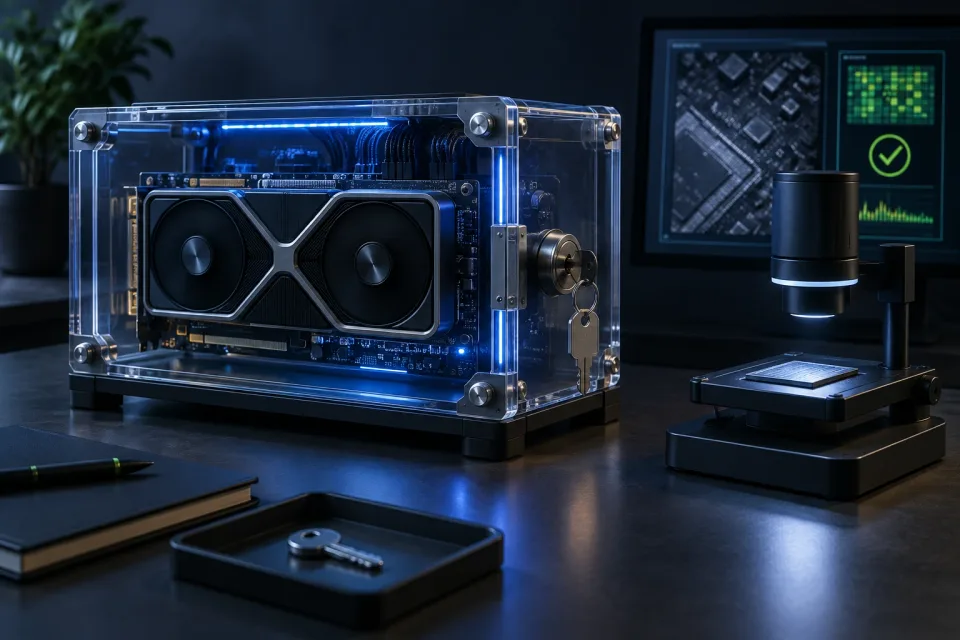
NVIDIA reports low confidential-computing overhead on an eight-GPU test. Separate that measured performance result from your own security and recovery claims.
Google, NVIDIA and Emerald AI are backing flexible data centers. Operators will need to define which AI work can yield power, and how it recovers.
Clarify ownership across shared platforms, service reliability, and incident response.
When inference slows without obvious application errors, test physical constraints alongside queueing, workload changes, and software regressions.
Test evidence retrieval, long-session consistency, tool boundaries, and cost before letting a model influence production changes.
New Topograph guidance connects physical network topology to workload schedulers. The operational check is whether the scheduler’s view survives cluster change.
Build repeatable cases and check recovery independently, with a runnable Python grader.
The Messages API can now summarize conversation history when an application chooses. SRE teams should test which operational constraints survive.
Account for context limits, retries, latency, and the work behind a useful result.
Follow evidence through technical failure and incident response, then test whether the proposed correction changes the mechanism.
Use a curated notebook to compare runbooks and incident evidence, while keeping citations, freshness, and operational authority in view.