How-To
What did the postmortem fix prove?
Separate a completed task from evidence that the underlying risk was reduced.
Search titles and article text.
Separate a completed task from evidence that the underlying risk was reduced.
Prepare evidence, reconstruct the timeline, examine contributing conditions, and choose follow-up proportionate to the incident.
Follow evidence through technical failure and incident response, then test whether the proposed correction changes the mechanism.
Translate incident findings into funded changes with an owner, a test, and evidence that the relevant failure mode became less likely or less costly.
Use models for test suggestions and change analysis while keeping artifact identity, promotion rules, and rollback checks enforceable.
Examine what people knew and could do, then assign improvements that address the conditions behind the incident.
Connect telemetry, customer reports, decisions, and verification so improvements in a dashboard reflect improvements in the service.
Use a curated notebook to compare runbooks and incident evidence, while keeping citations, freshness, and operational authority in view.
Locate the delay, choose a bounded intervention, and measure recovery quality alongside elapsed time.
Define who does the work, who decides, and who accepts risk so ownership remains useful during incidents and follow-up.
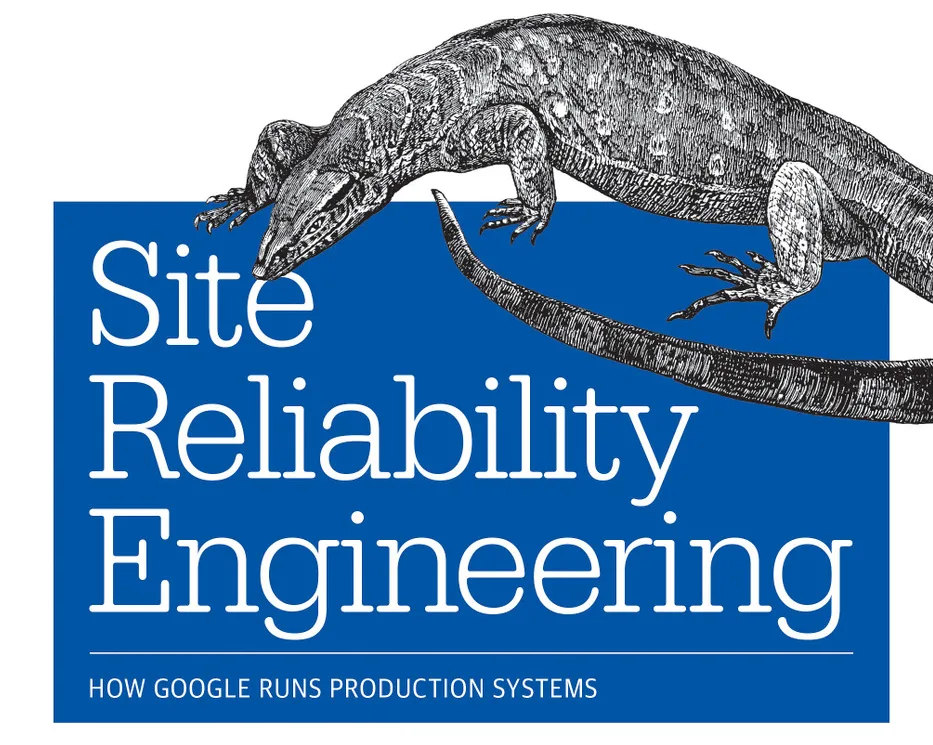
Use the free SRE books as references for a concrete service problem, then adapt and test the practices against your own constraints.
Check agent status, terminal persistence, and recovery before adopting Herdr.