PHP2Shell: following the risk into the running worker
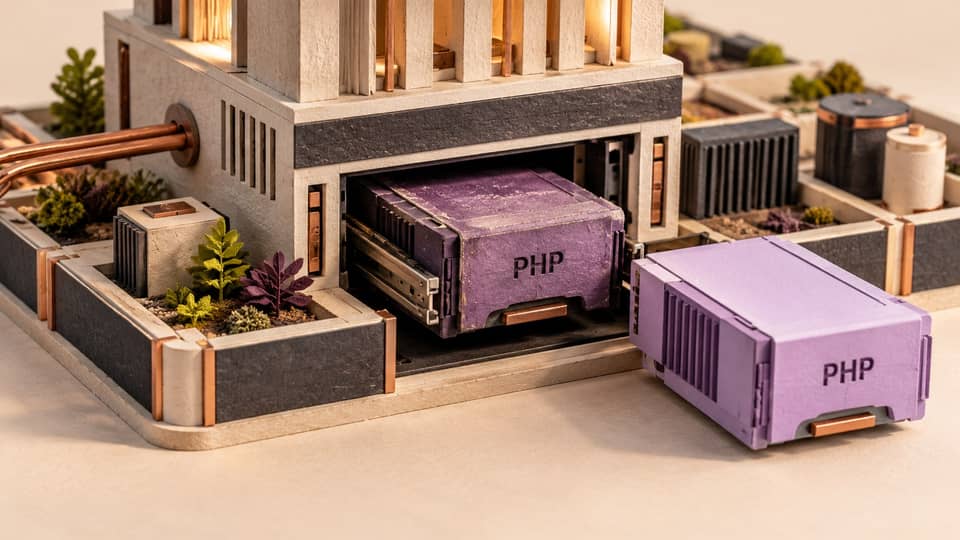
A PHP site can serve a healthy-looking page while its worker remains exposed. Separate the runtime fixes, the worker’s reach and the investigation into what happened before repair.
Understand the technology before you put it into production.
A PHP site can serve a healthy-looking page while its worker remains exposed. Separate the runtime fixes, the worker’s reach and the investigation into what happened before repair.
An engineer asks about slow checkout. The assistant investigates, then waits for approval. Eve supplies the continuing conversation and tool machinery; your team still defines the job.
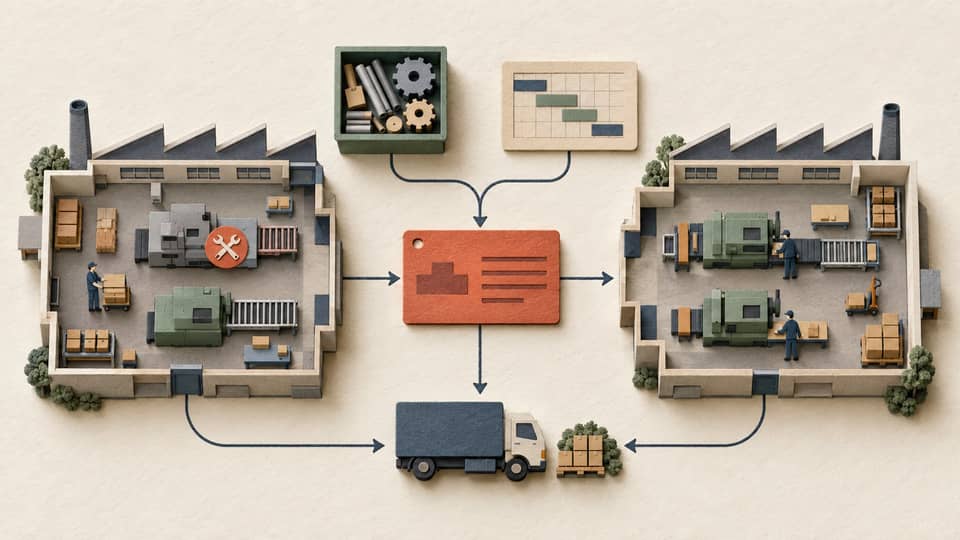
An order needs another factory, but parts, schedules and permissions live in different systems. Follow the decision through Foundry, AIP and Apollo, then see how Gotham approaches connected information.
A promising answer is easier to review when you can find the files behind it. Follow one small repair through T3 Code’s sessions, worktrees and host machines.
A copied runbook and a shell command deserve different decisions. Follow the workdir, tool overrides and saved settings that determine which approval prompt appears.
Anthropic’s source-control redesign lets jobs fetch less and reuse nearby copies. Follow one configuration file through the caches to see why an empty fleet asks a different question.
An agent needs files, tools and a model connection. Follow a copied incident folder through OpenShell to a report you can inspect, with access chosen for the job.
An agent can wait on a ticket store while GPUs sit free. Helion separates execution and inference; useful capacity decisions follow the whole task.
Remembering two maintenance times is not enough. A useful resumed task applies the correction, clarifies its target and checks what happened before retrying.
A timeout can leave a correct file and an uncertain announcement. Keep one reporting identity, inspect both destinations and continue only the unfinished step.
A faster reply can hide a changed calculation. Separate exactness from performance, retain the first divergence and compare complete serving configurations.
The winning setup may be exactly the product you want. Replacing only its model is a different experiment, because the software around it helps decide how the work gets done.