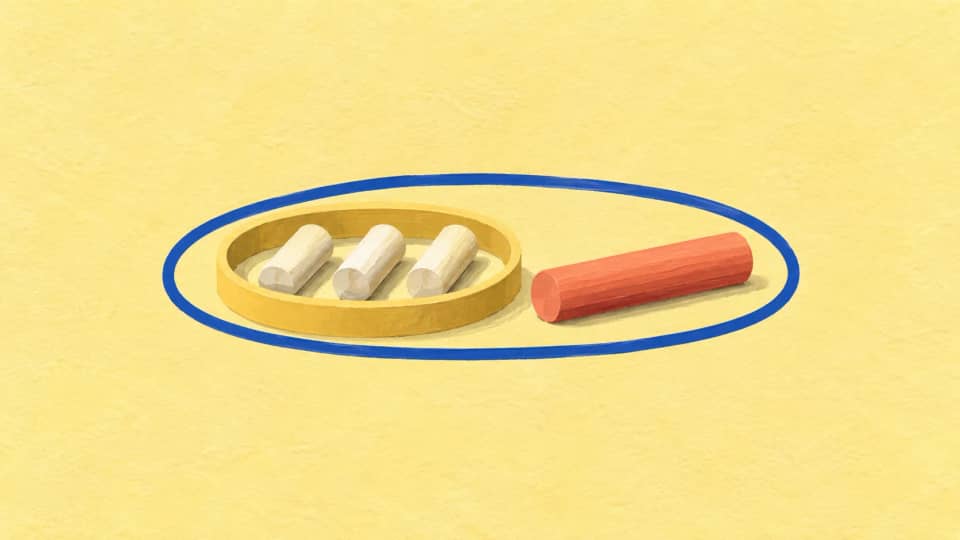
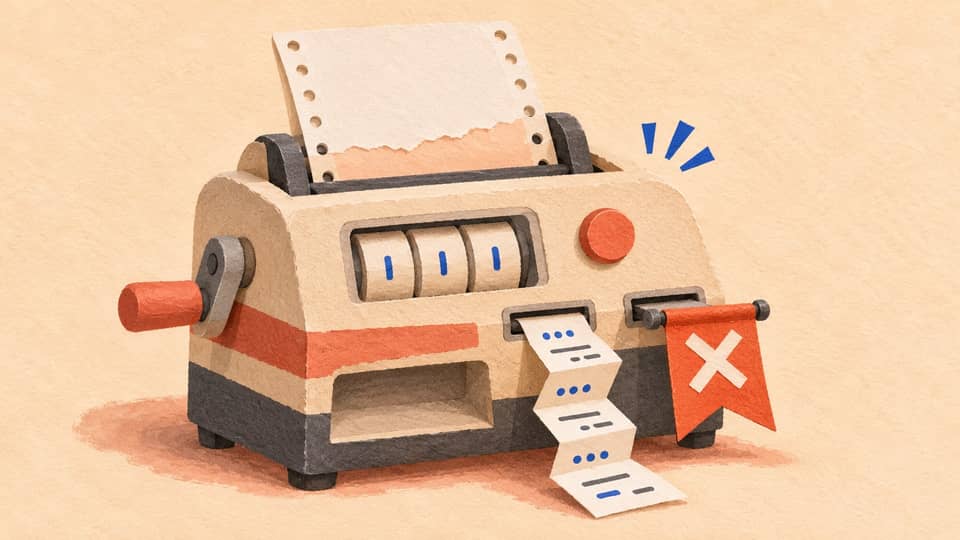
The queue is draining. How old are the errors?
A returning telemetry backend can deliver yesterday's trouble into today's decision. Check both the records that survived and the age of what the responder can see.
Guides, news and explanations about AI and reliable systems.
Not sure where to begin? Choose a short reading path, or browse at your own pace.
A returning telemetry backend can deliver yesterday's trouble into today's decision. Check both the records that survived and the age of what the responder can see.
An order lookup can fail in one account while its explanation sits in another. Omni brings agent evaluations and telemetry together, but the investigation still needs the right records or a clear handoff.
A blank graph can mean no traffic, missing measurements or something the query cannot calculate. Follow a small Prometheus fixture to keep those meanings separate before a rollout depends on the answer.
An upgrade can keep records flowing while searches and paging routes lose their match. Follow a known task through Kubernetes metadata to its responding team.
A rejected incident summary makes a useful Splunk trial: follow its attempts, charges and corrections to learn what one accepted task really took.
Use instrumentation and context propagation to connect the evidence in an investigation.
When alerts share a headline, one successful repair can hide a second failure. Follow the remaining symptom through the group, the trial and the next responder.
A calm fleet chart can hide a regional checkout failure. Keep the affected requests and their time window together as you move from the first panel to resource queries and logs.
The warning is accurate, but the person allowed to add space is unavailable. Follow the response before deciding whether to page, queue the work or repair the gap.
A faster latency line can lose the requests that timed out. Follow the counts, gauges and distributions back to the work they measured.
A runnable Python example gives the scheduler a failure status and leaves one traceback for the person who has to find out what happened.
Two services send their counts. A short Python program finds the combined error rate and shows where the collector still has work to do.