AIOps
Connect PagerDuty, Jira, and Slack without losing incident state
A design guide for an incident assistant that handles duplicate events, partial failures, and reviewed AI summaries across tools.
Search titles and article text.
A design guide for an incident assistant that handles duplicate events, partial failures, and reviewed AI summaries across tools.
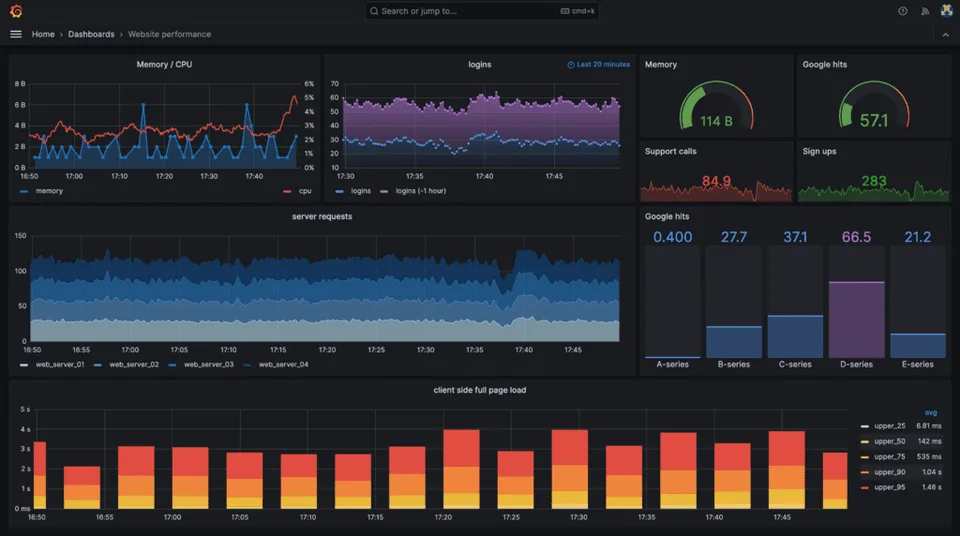
Build a view that answers who is affected, what changed, and where to investigate, then test its queries and missing-data behavior.
A reusable prompt pattern for incident analysis, with checks for missing facts, unsafe recommendations, and unsupported certainty.
Connect an SLO’s allowance to planning and release behavior, with explicit ownership, exceptions, and treatment of measurement gaps.
Use directory purpose, mount boundaries, and read-only checks to investigate missing files, full disks, and unexpected runtime state.
Design incident channels, bot actions, evidence links, and a fallback path that still works when the chat system is unavailable.
Compare detection, correlation, investigation, and automation using your incidents, review costs, and failure paths.
Translate customer symptoms into an owned investigation while preserving impact, uncertainty, and a useful communication loop.
Use language-model assistance for evidence review, draft communication, and practice, with a clear boundary around production decisions.
Choose representative traffic, define promotion criteria, and verify rollback compatibility before expanding a release.
Understand how GANs train and why synthetic data needs checks for coverage, constraints, privacy, and downstream usefulness.
Use consistent onset and discovery timestamps, include customer-reported incidents, and interpret the average with its sample and uncertainty.