Finding the response delay AIOps can reduce
Evidence gathering, authorization and restoration can each hold up an incident. The timeline shows which kind of assistance could shorten the wait.
Guides, news and explanations about AI and reliable systems.
Not sure where to begin? Choose a short reading path, or browse at your own pace.
Evidence gathering, authorization and restoration can each hold up an incident. The timeline shows which kind of assistance could shorten the wait.
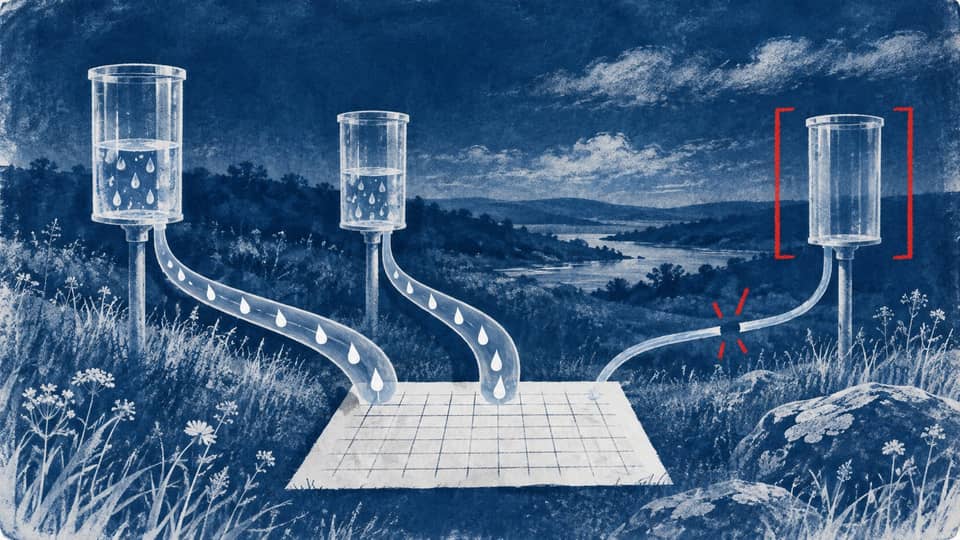
A capacity warning needs enough lead time and a reachable responder who can act. The alert review separates useful urgency from a missing response arrangement.
A generated test can share the code’s mistaken assumption. Artifact identity and checks of the affected behavior explain what the passing result establishes.
A rollback debate can be blocked by compatibility evidence or unreachable authority. A decision worksheet separates those problems and records the recovery checks.
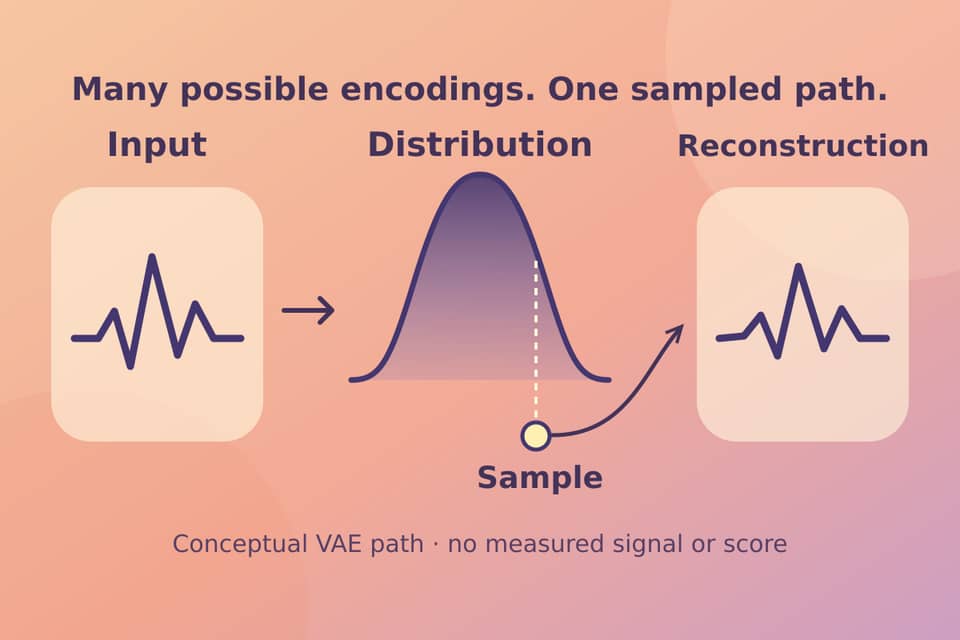
A VAE learns to recreate a window of measurements. See why a legitimate traffic change can look unusual while a familiar failure slips past.
A small audience limits exposure. Relevant work, comparable controls and a usable recovery path determine what the release actually learned.
GANs learn to resemble training data. A cascading-timeout example explains what generated traces contribute to testing and what a controlled fixture supplies.
A delayed rollback connects the incident timeline to the information responders had, the compatibility question they faced and the follow-up that remains.
A shorter configuration file can hide more work for the next responder. Apply “keep it simple” to the behavior, exceptions and recovery the team must support.
Counts, gauges and distributions preserve different details. Follow the measured requests, including failures, before trusting a better-looking chart.
A complete Python example sends the result to stdout, records an exception once and returns the failure status its scheduler needs.
Run a complete JSON-to-JSON Python example, then distinguish a measured error rate from an incomplete regional collection.