GuideAI in production
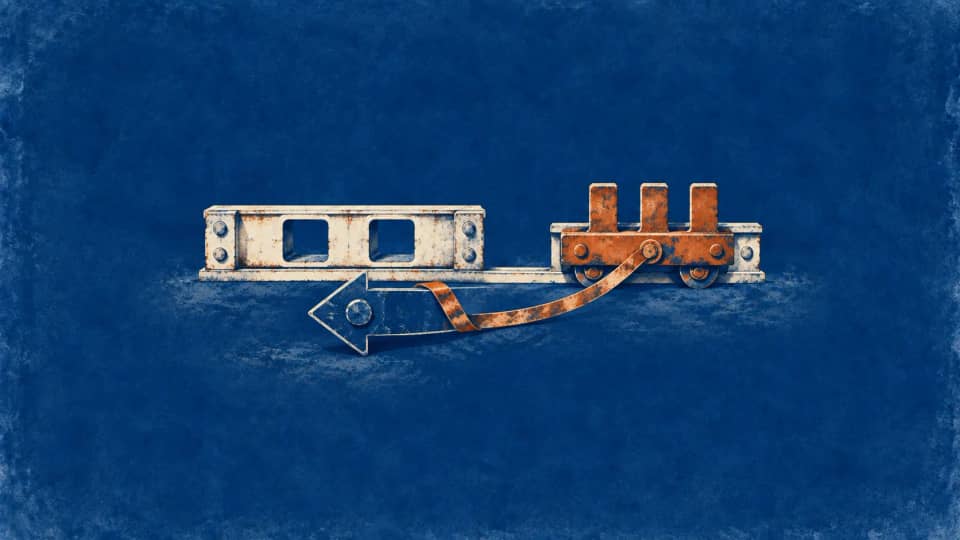
Supervising coding agents with Herdr
How Herdr keeps coding sessions available while you detach, and what changes when its server restarts.
Guides, news and explanations about AI and reliable systems.
How Herdr keeps coding sessions available while you detach, and what changes when its server restarts.
The permissions, state and recovery paths an agent needs when its tool calls can change a running service.
Account for context limits, retries, latency, and the work behind a useful result.
Conflicting restart instructions show where a source-backed notebook helps: finding the relevant passages, dates and exceptions for the runbook owner.
Power and cooling affect the work a GPU pool can sustain. Device signals, request completions and queue growth help distinguish a physical limit from a workload change.
A rollback exception tests whether Opus 4.6 preserves decisive evidence across a long session, and whether the resulting answer arrives in time to help.
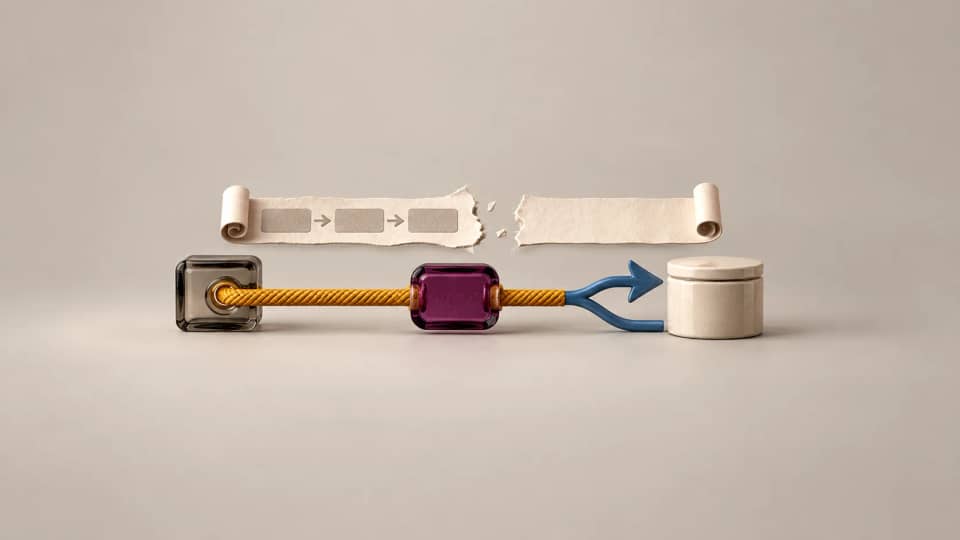
A timed-out scaling request needs a durable record and destination-state checks. Reusable operational skills need to recover unfinished work as well as start it.
A rollback proposal crosses from recorded evidence into a changing system. The handoff carries source references, current preconditions and unfinished actions.
Grouping can shorten the incident queue while hiding a second failure. Following a replay past the first mitigation reveals whether that failure stays visible.
A reference design for duplicate deliveries and partial API success, with durable incident identifiers and summaries drawn from the resulting record.
Model loading and checkpoint recovery stress storage differently. Reference configurations help explain which workload and failure conditions their results cover.
The dated market estimate has a definition, forecast period and growth calculation. Those details explain how it can inform a local investment discussion.