AIOps
Release gates that hold up under incident pressure
Turn reliability policy into a release decision with fresh evidence, limited exceptions, and a clear path to resuming normal changes.
Search titles and article text.
Turn reliability policy into a release decision with fresh evidence, limited exceptions, and a clear path to resuming normal changes.
A design guide for an incident assistant that handles duplicate events, partial failures, and reviewed AI summaries across tools.
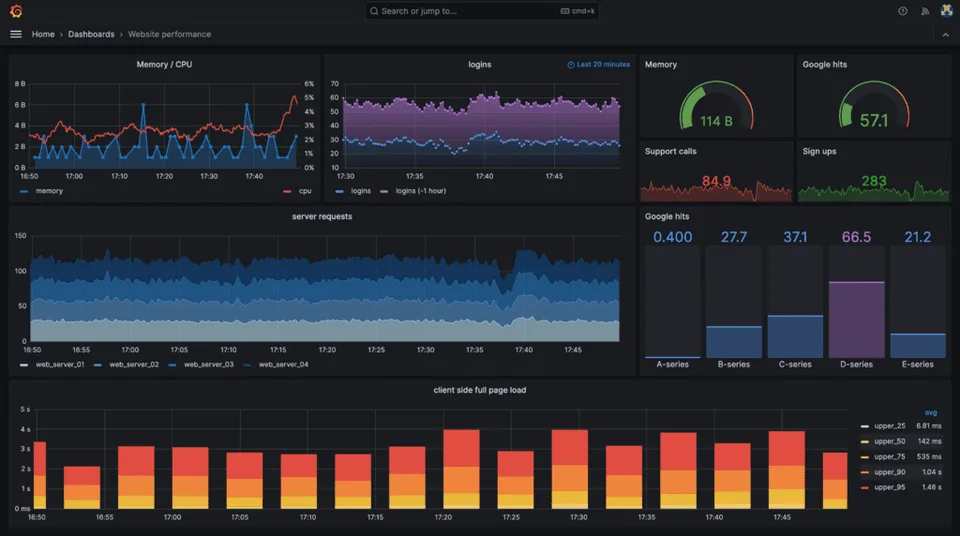
Build a view that answers who is affected, what changed, and where to investigate, then test its queries and missing-data behavior.
A reusable prompt pattern for incident analysis, with checks for missing facts, unsafe recommendations, and unsupported certainty.
Measure a representative workload, identify the limiting resource, and test one reversible change instead of applying a universal sysctl recipe.
Locate the delay, choose a bounded intervention, and measure recovery quality alongside elapsed time.
Translate customer symptoms into an owned investigation while preserving impact, uncertainty, and a useful communication loop.
Decide which alerts earn an interruption using urgency, reachable authority, coverage evidence, and a practical alert acceptance record.
Use models for test suggestions and change analysis while keeping artifact identity, promotion rules, and rollback checks enforceable.
Make a useful AI request without assuming that tool approval, anonymization, or a training opt-out settles every data-handling question.
Examine what people knew and could do, then assign improvements that address the conditions behind the incident.
Connect AI-assisted diagnosis to bounded runbooks, explicit approval gates, and independent recovery checks. Start with a practical SRE rollout checklist.