News
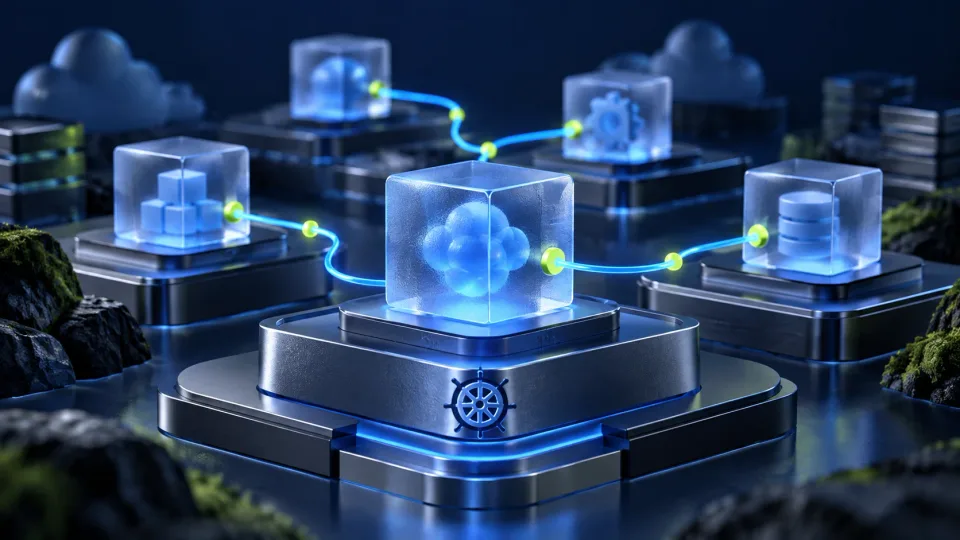
OpenTelemetry’s Kubernetes milestone matters for AI agent tracing
The stable Kubernetes attributes processor helps connect AI-agent traces to their workloads. Check the metadata joins before upgrading.
Search titles and article text.
The stable Kubernetes attributes processor helps connect AI-agent traces to their workloads. Check the metadata joins before upgrading.
Separate detection from response and find delays that an improving average can conceal.
Define the action, contain its scope, and verify what changed at the destination.
Define inputs, permissions, idempotency, verification, and stop conditions for one operational capability before expanding its authority.
Decide which workflow deserves an agent, where a fixed automation is sufficient, and how to measure the work left for responders.
Connect on-call interruptions, specialist demand, and recovery work to a concrete capacity decision using an on-call workload worksheet.
A design guide for an incident assistant that handles duplicate events, partial failures, and reviewed AI summaries across tools.
Build a view that answers who is affected, what changed, and where to investigate, then test its queries and missing-data behavior.
A reusable prompt pattern for incident analysis, with checks for missing facts, unsafe recommendations, and unsupported certainty.
Use directory purpose, mount boundaries, and read-only checks to investigate missing files, full disks, and unexpected runtime state.
Measure a representative workload, identify the limiting resource, and test one reversible change instead of applying a universal sysctl recipe.
Compare detection, correlation, investigation, and automation using your incidents, review costs, and failure paths.