News
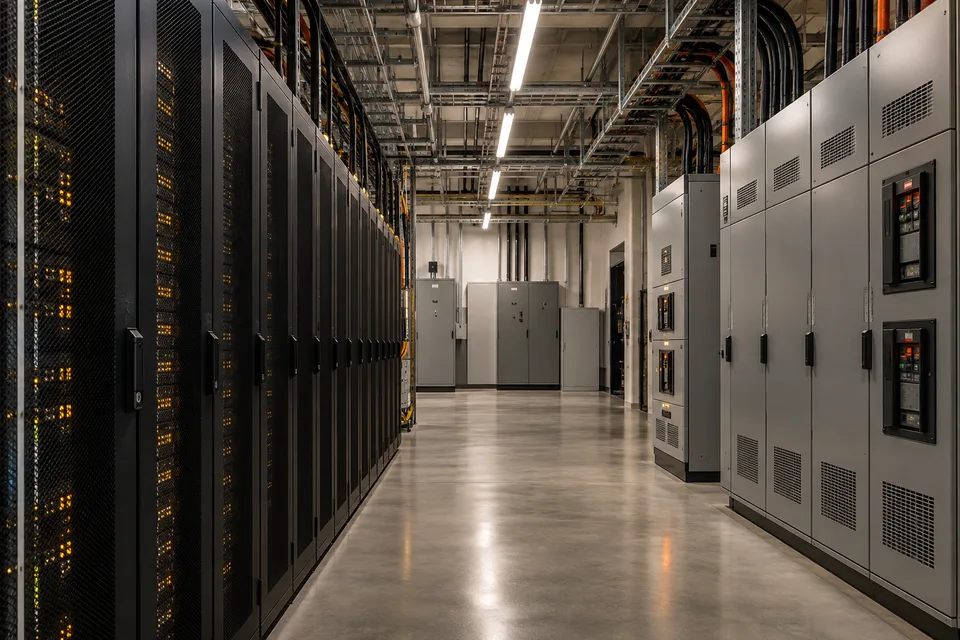
New AI energy alliance puts workload flexibility on the SRE agenda
Google, NVIDIA and Emerald AI are backing flexible data centers. Operators will need to define which AI work can yield power, and how it recovers.
Practical AI operations. Reliable systems.
Search titles and article text.
Google, NVIDIA and Emerald AI are backing flexible data centers. Operators will need to define which AI work can yield power, and how it recovers.
The Messages API can now summarize conversation history when an application chooses. SRE teams should test which operational constraints survive.
Anthropic has added Chrome-session transcripts to its Compliance API beta. Responders gain another evidence source, with important gaps to understand.
Splunk’s September release connects agent evaluation and cost monitoring. The useful test is whether a responder can trace spending back to an outcome.
Herdr keeps coding agents visible and their terminals persistent. Here is how to evaluate its status signals, recovery behavior, and place in SRE work.
Separate detection from response, reconstruct the missing minutes, and find the delays that an improving average can conceal.
Define production-agent authority, reconcile uncertain writes, verify outcomes independently, and use an execution contract before expanding scope.
Measure tokens per completed task, account for retries and tool output, and preserve the evidence an operational assistant needs.
Use a curated notebook to compare runbooks and incident evidence, while keeping citations, freshness, and operational authority in view.
When inference slows without obvious application errors, test physical constraints alongside queueing, workload changes, and software regressions.
Test evidence retrieval, long-session consistency, tool boundaries, and cost before letting a model influence production changes.
Define inputs, permissions, idempotency, verification, and stop conditions for one operational capability before expanding its authority.