AIOps
What AIOps alert correlation can hide
Evaluate AIOps grouping by detection coverage, investigation effort, and recoverable mistakes, not alert reduction alone.
Practical AI operations. Reliable systems.
Writing on SRE.
Evaluate AIOps grouping by detection coverage, investigation effort, and recoverable mistakes, not alert reduction alone.
Turn reliability policy into a release decision with fresh evidence, limited exceptions, and a clear path to resuming normal changes.
A design guide for an incident assistant that handles duplicate events, partial failures, and reviewed AI summaries across tools.
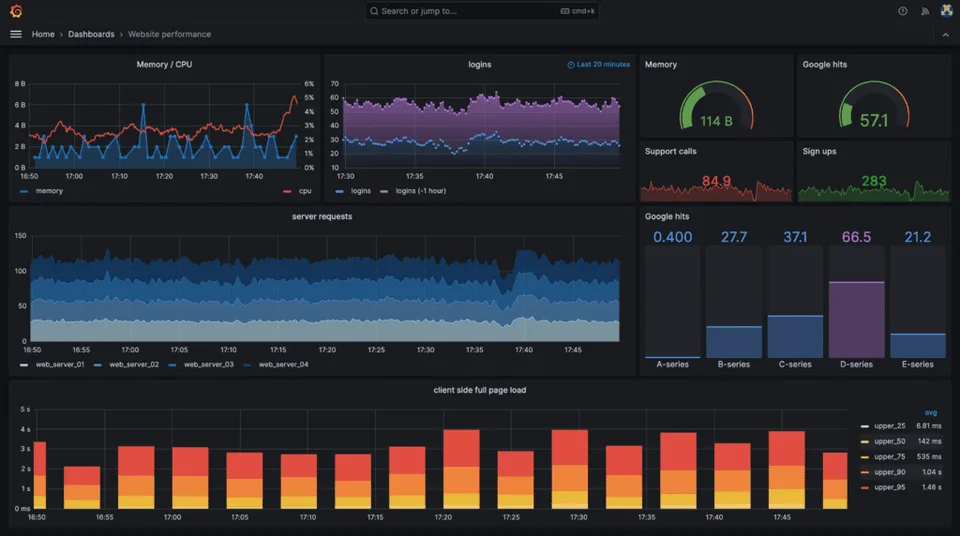
Build a view that answers who is affected, what changed, and where to investigate, then test its queries and missing-data behavior.
Read validated architectures as a starting point for workload, recovery, and support testing, not a promise of automatic reliability.
Check market definitions, forecast periods, and growth arithmetic before turning a market estimate into an operational investment case.
A reusable prompt pattern for incident analysis, with checks for missing facts, unsafe recommendations, and unsupported certainty.
Connect an SLO’s allowance to planning and release behavior, with explicit ownership, exceptions, and treatment of measurement gaps.
Adapt a complete SLO record, worked budget examples, and an exception log without confusing bad requests with minutes of downtime.
Use directory purpose, mount boundaries, and read-only checks to investigate missing files, full disks, and unexpected runtime state.
Measure a representative workload, identify the limiting resource, and test one reversible change instead of applying a universal sysctl recipe.
Design incident channels, bot actions, evidence links, and a fallback path that still works when the chat system is unavailable.