Tracing an AI request through Cloudflare and its origin
Follow a slow AI request from Cloudflare to an instrumented origin, configure sampling, and verify that the trace preserves the evidence needed to investigate.
Guides, news and explanations about AI and reliable systems.
Not sure where to begin? Choose a short reading path, or browse at your own pace.
Follow a slow AI request from Cloudflare to an instrumented origin, configure sampling, and verify that the trace preserves the evidence needed to investigate.
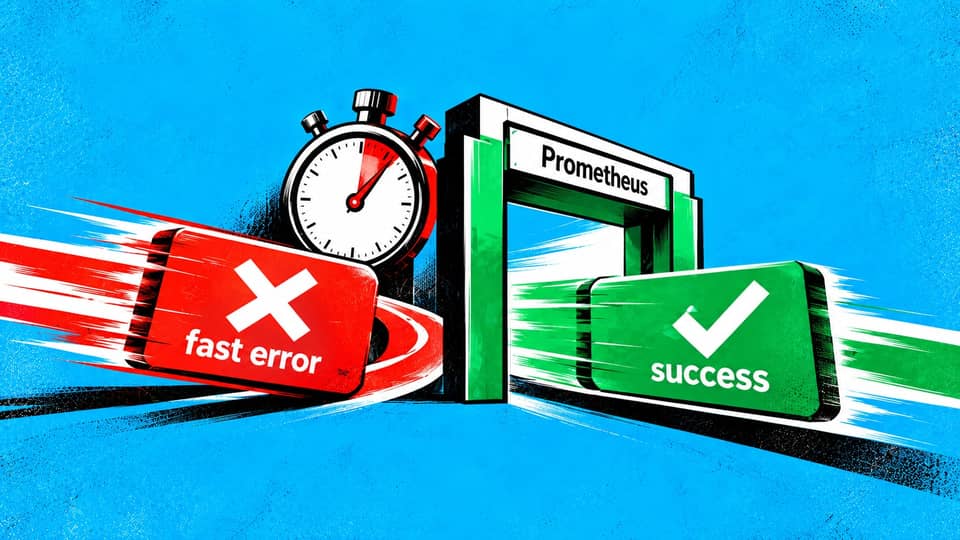
Build a latency SLI from Prometheus histogram buckets, include failed requests, and compare classic and native queries with a worked search-service example.
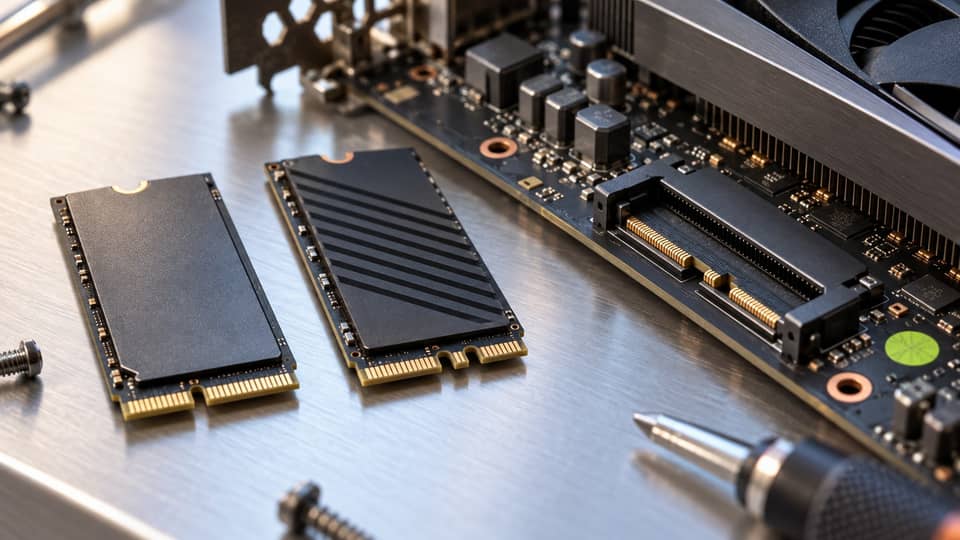
Match the .ninfer artifact to its loader and hardware, then weigh saved memory against decoding time on short queries and long inputs.
The desktop preview packages a configurable coding agent. Its plugins determine which model answers, which files it can read, and where commands run.
Tail sampling selects recorded traces by error, latency and other evidence. A checkout timeout shows how routing, waiting time and memory affect the trace a responder can retrieve.
Containment can stop the next action while an earlier write remains unresolved. Follow the destination, current permission and service outcome before resuming.
A persistent queue can save telemetry through an outage. Check delivery, catch-up capacity and event age before letting the recovered data drive an action.
A missing response can leave a worker already created. Durable operation IDs and the destination’s idempotency contract let a replacement executor recover the original request.
Plan an inference-service node drain with a scoped disruption budget, replacement-capacity checks and a practical maintenance worksheet.
NodeWright can coordinate host updates across a Kubernetes fleet. One labeled worker shows why the package, machine selection and observed result need to stay together.
What prompt-cache hits save once retries and failed work are included in task cost, with a local calculator and ledger.
Build repeatable cases and check recovery independently, with a runnable Python grader.