Fine-tuning with LoRA: from a training run to an adoption decision
Follow a small synthetic LoRA smoke test through training and reload, then compare held-out work before adopting an adapter.
Guides, news and explanations about AI and reliable systems.
Not sure where to begin? Choose a short reading path, or browse at your own pace.
Follow a small synthetic LoRA smoke test through training and reload, then compare held-out work before adopting an adapter.
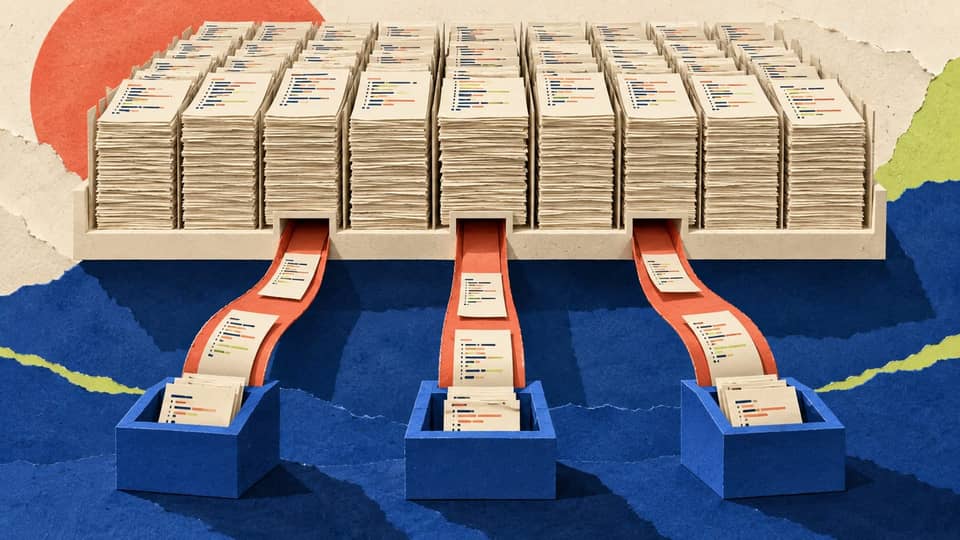
An agent can reuse a nearby copy of a source file instead of fetching it again. Scion speeds that path; a fleet starting without its saved copies asks more of the shared service.
Run an AI agent with useful access to files and services, then test exactly where OpenShell stops it. A worked guide to sandboxes, policy, credentials, and SRE workflows.
An agent may wait on a ticket lookup while its model has nothing to generate. AMD Helion gives those jobs different hardware, and a router chooses where each model request goes.
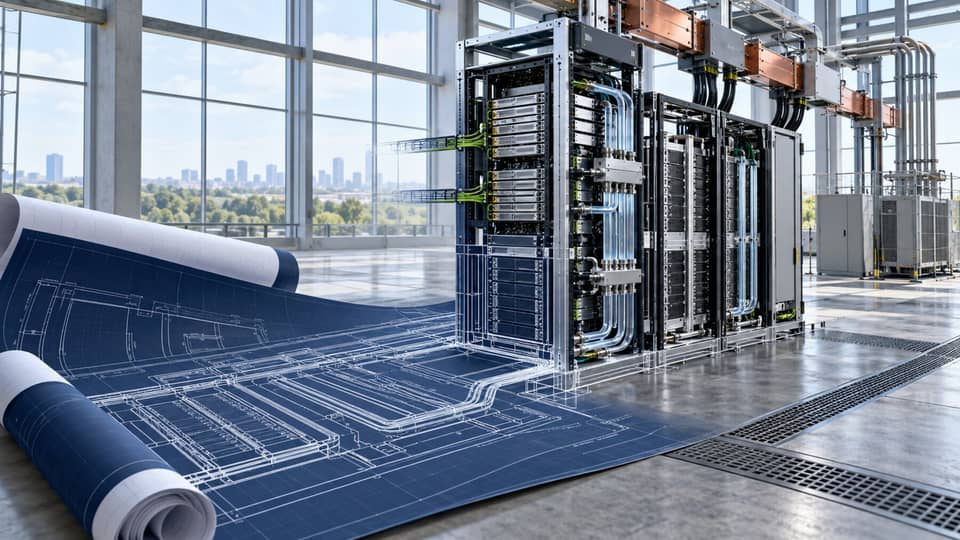
The October 12 OCP release spans rack designs, facility specifications, open-source operations software and planned optics. Operators should test each layer against workload evidence.
Compare reference and speculative paths for token-level equivalence, then run a separate capacity trial so speed cannot conceal a serving-contract change.
The new server returns "30" where an application needs the number 30. Follow that small mismatch through the serving stack before trusting a migration.
Review the claim each test or document protects, challenge the evidence, and record a keep, rewrite or retire decision before deleting repository history.
Basalt narrows local inference to Qwen3.8-Flash-Next on Blackwell. Its memory and concurrency controls matter more than copying the largest throughput number.
A host restarts while its Codex worker may still be editing. Follow the saved process, events and patch to resume the job without starting a second writer.
Compare candidate and current labels on the same events, retain missed and unknown work, and choose a scope the receiving teams can support.
A 16 GB AMD card and a 10 GB NVIDIA card may share a model, but each still has to fit its own work. Follow Infermeld’s layer choices from loading to a finished log investigation.