The event arrived twice. Did the ticket get created once?
Recognizing a repeated incident event does not establish what Slack or Jira did with the first one. This reference design tracks arrivals and destination results separately.
Guides, news and explanations about AI and reliable systems.
Not sure where to begin? Choose a short reading path, or browse at your own pace.
Recognizing a repeated incident event does not establish what Slack or Jira did with the first one. This reference design tracks arrivals and destination results separately.
A calm fleet chart can hide a regional checkout failure. Keep the affected requests and their time window together as you move from the first panel to resource queries and logs.
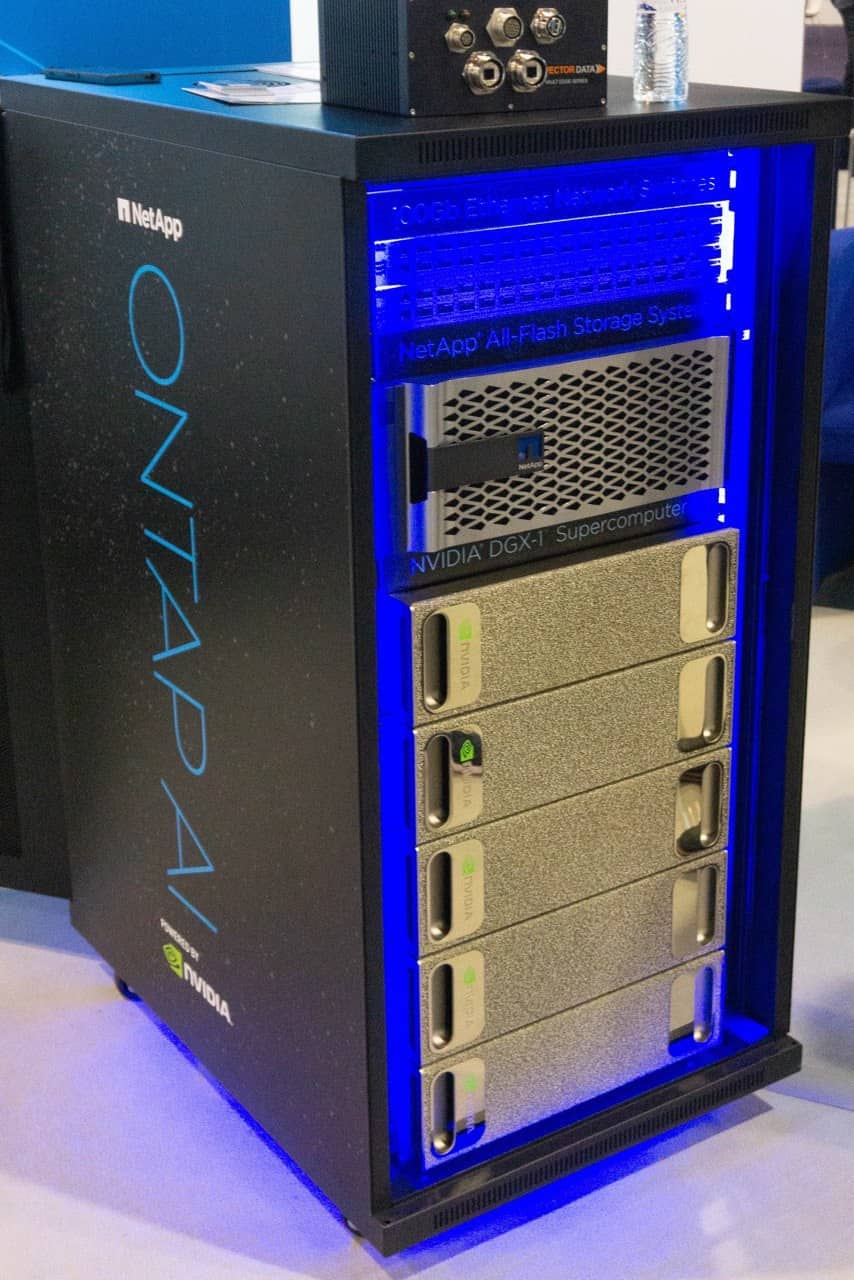
NetApp and NVIDIA reference designs describe tested systems. Follow model loading and checkpoint recovery to see which results fit the work your team needs to run.
A billion-dollar forecast describes a market. Follow its definitions and growth calculation, then the incident-summary work behind a local purchase.
In a hypothetical incident, errors began at 14:02 and the rollout started at 14:05. A reusable prompt helps an assistant turn that mismatch into a useful next check.
The repair is ready, but an unrelated feature is in the same package. An error-budget policy needs a way to assess the repair alone or decide on a scoped exception.
Work through request and time allowances, then fill in the release rules, exception route and follow-up record that make the worksheet usable.
A directory under /tmp can hold application recovery data. Follow the failing path through mounts, capacity and permissions to understand what the service actually sees.
A shared connection pool shows how a tuning change can finish more work while slowing some requests. Follow the wait, test the limit and compare both outcomes.
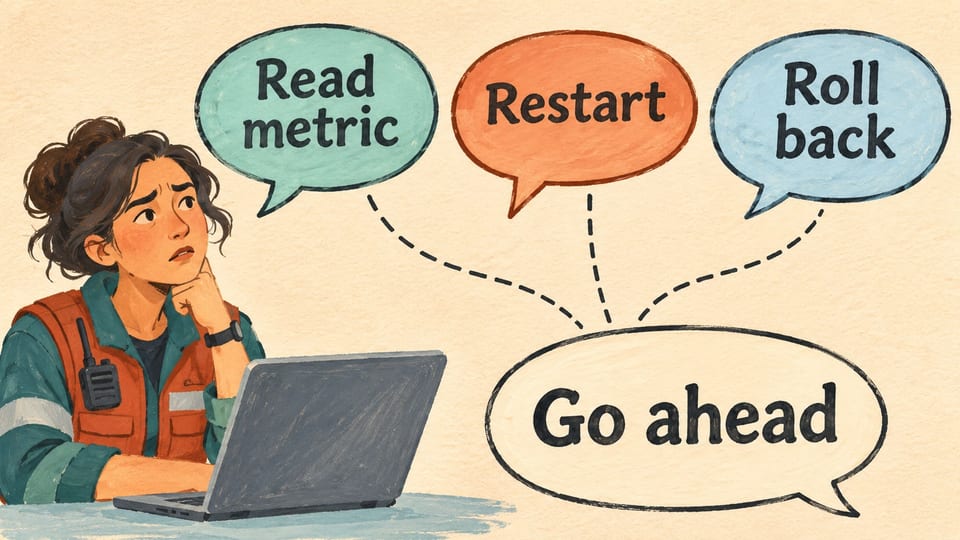
“Go ahead” makes sense only when everyone knows which proposal it approves. Link the conversation to the action and its result, including what remains unknown.
A successful demonstration is the start of the comparison. Follow the alerts through specialist corrections, connector upkeep and the ordinary on-call rotation.
A recommendation can arrive early and still wait for someone able to act. Follow the incident timeline to separate missing evidence, missing authority and useful verification.