MCP explained: how AI applications reach your tools and data
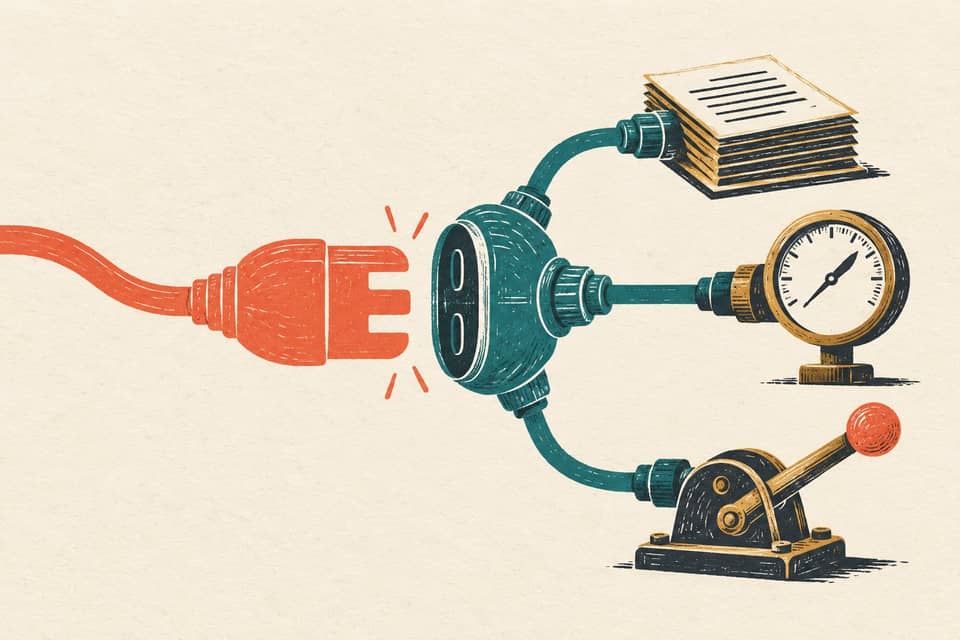
Follow a question from an AI application to the software holding the answer. MCP gives tools, resources and prompts a shared interface without replacing the systems behind them.
Guides, news and explanations about AI and reliable systems.
Not sure where to begin? Choose a short reading path, or browse at your own pace.
Follow a question from an AI application to the software holding the answer. MCP gives tools, resources and prompts a shared interface without replacing the systems behind them.
Follow one weight through quantization, then see why model memory, speed and answer quality depend on more than a four-bit label.
A local model can keep inference on your computer. The surrounding app may still use cloud services, connected tools, telemetry and synced storage. Here is how those routes differ, and which choices actually change them.
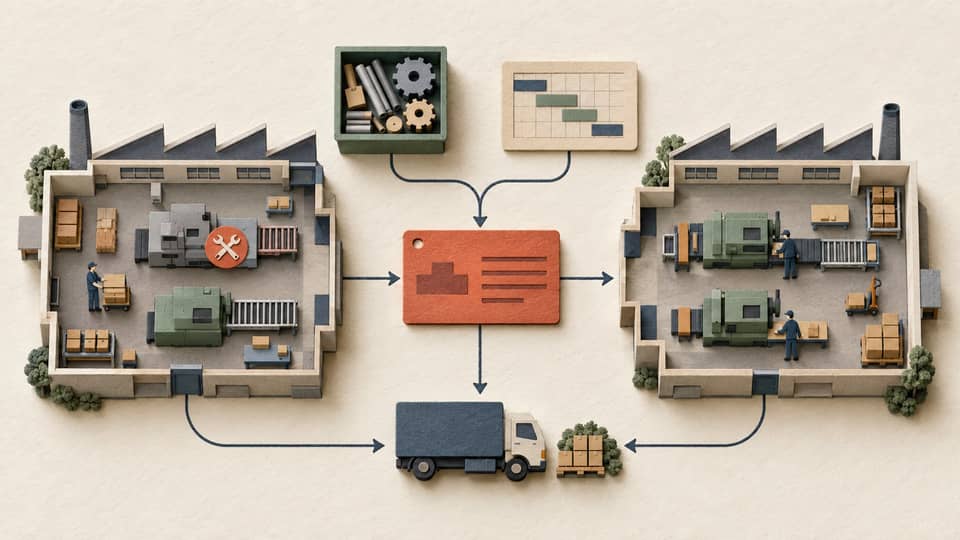
See how a factory planner joins stock and schedules, considers moving an order, and confirms the change—and what maintaining that shared workflow requires.
Restoring a worker does not clear its backlog. Follow arrivals and completions to calculate the wait that remains, then plan a test that can observe it.
A faster model response can leave more checking behind. Compare two setups by the answers people can actually use, including time, cost and data restrictions.
Use user expectations and observed service behavior to propose a target. Distinguish an internal objective from a customer commitment and make the cost of improving it visible.
Compare a worker rollback with a submission limit, calculate the expected effect, and distinguish a completed command from a recovering export service.
Forty exports of margin can mean a repaired fault or a service deteriorating now. Turn the allowance, recent failure rate and recovery criteria into decisions people can use.
Check claims and compare results against a small, repeatable test set.
Practice telling customers, responders and leadership the same changing truth, with useful detail and a next update they can rely on.
Put observations, times and working explanations in one usable record, then show how new evidence changes the next question.